I still remember the first time I gazed at the Paragon Board in Diablo 4. It was a dizzying tapestry of nodes, paths, and promises of power. Three years later, after countless Pit runs and glyph upgrades, I can say with confidence that mastering this system is the true key to endgame dominance. Blizzard hasn't rested on their laurels — the Vessel of Hatred expansion and subsequent seasons have only deepened the board's complexity, making it one of the most rewarding progression mechanics in action RPG history.
What Is the Paragon Board?
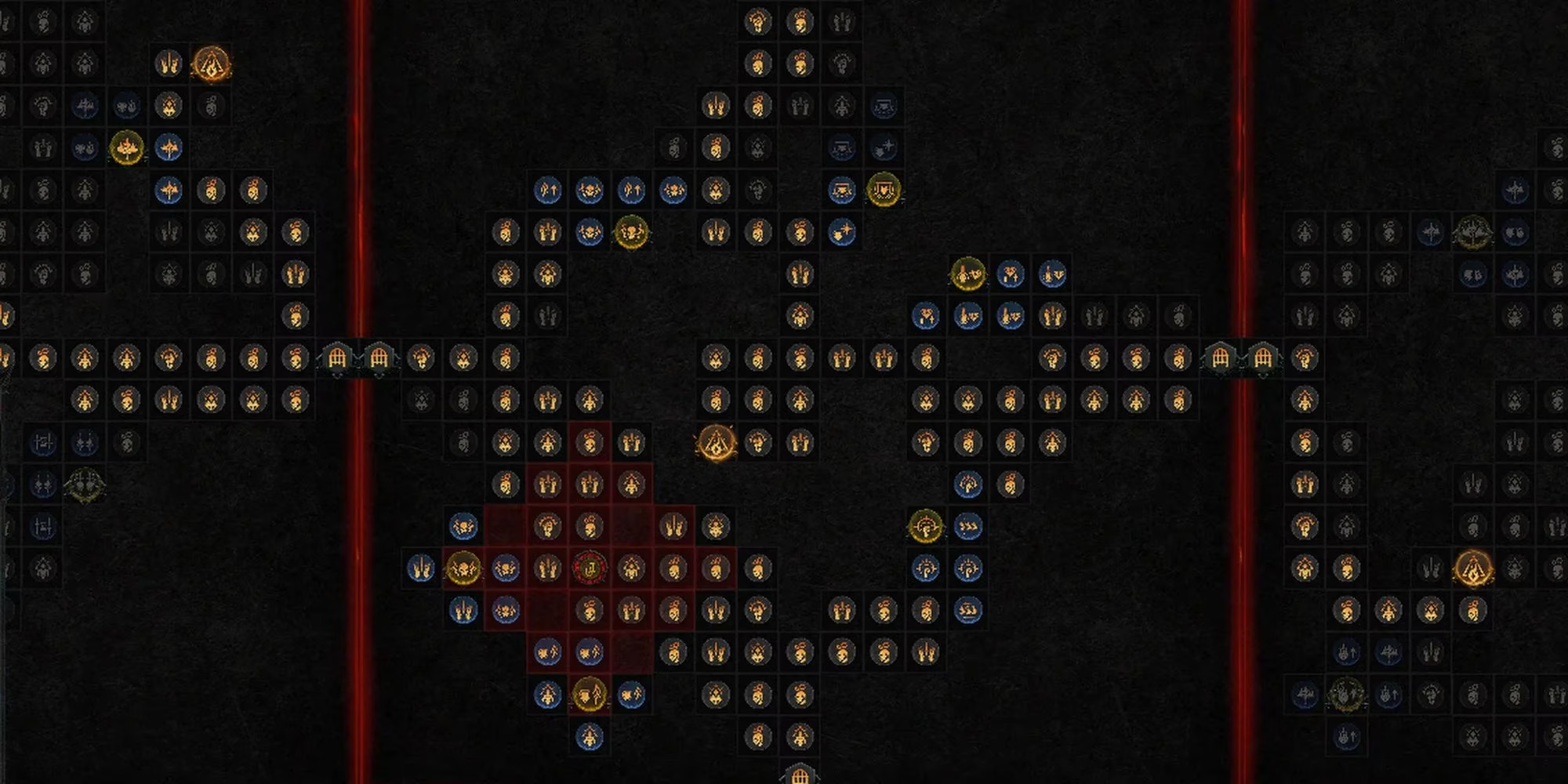
Think of the Paragon Board as a bespoke passive tree that you sculpt yourself. It doesn't just hand you stats; it lets you plot a course through a galaxy of bonuses, crafting a build that feels truly yours. After you sail past level 60, every shred of experience feeds into your Paragon rank, which doles out points for you to spend. These points unlock everything from simple +5 attribute bumps to wild Legendary Nodes that rival the best legendary affixes.
The system caps at a juicy 328 passives, achievable once you hit Paragon Rank 300 and max out renown across all regions. And here's the kicker: your Paragon Rank is realm-wide, so every alt you roll gets a head start. But don't get too comfortable — the real magic comes from Glyphs, which warp and enhance the very fabric of your board.
Unlocking the Paragon System
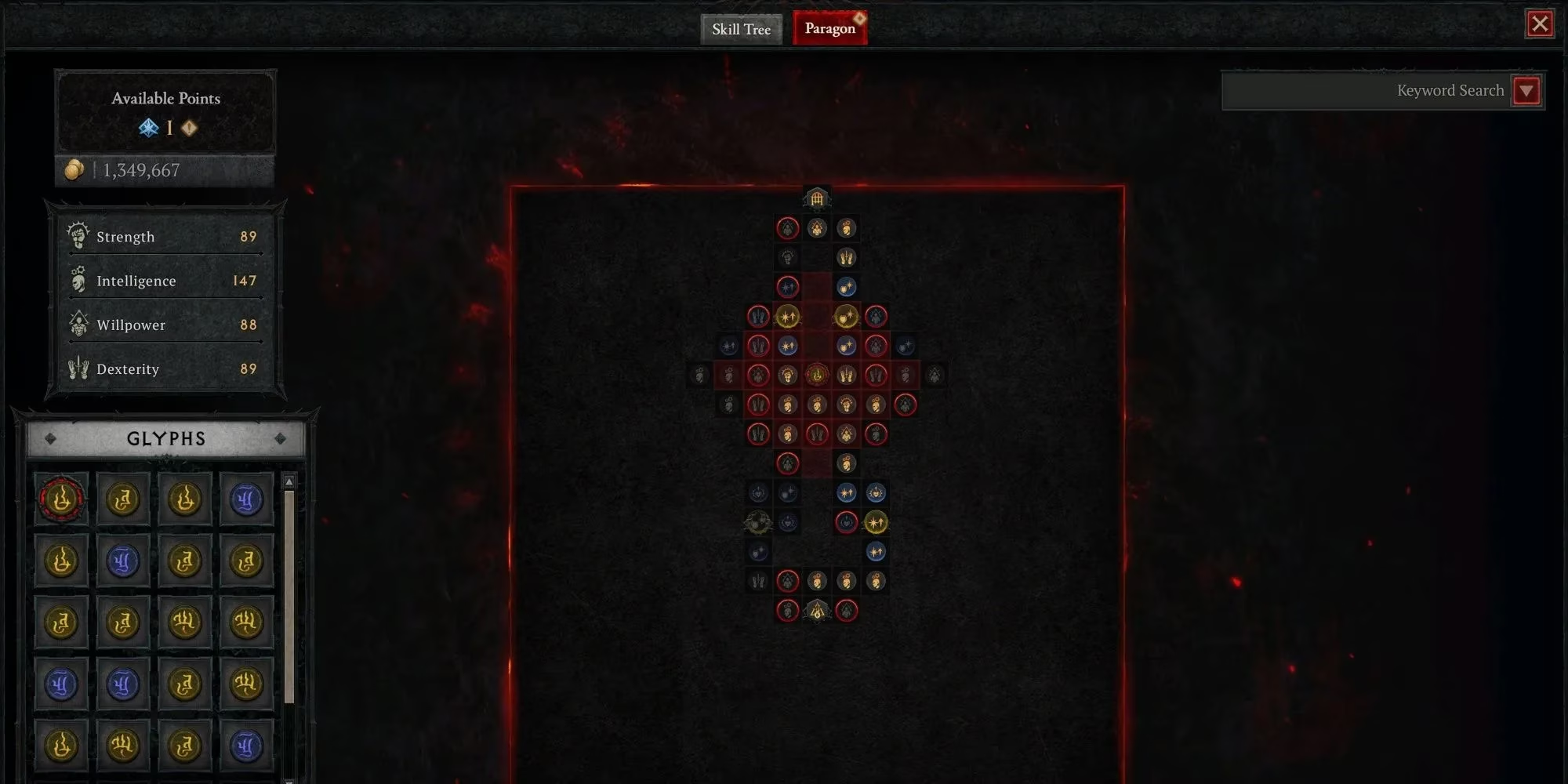
You'll get the keys to the kingdom at level 60. Hit that milestone, open your skill tree, and click the "Paragon" tab — boom, you're in. Paragon Points come from two sources: leveling your character (one point per rank) and completing renown objectives in each Sanctuary zone. Every region's final renown tier rewards four points, totaling 20 without Nahantu, or 24 if you own Vessel of Hatred. It's a system that rewards both grinding and exploration.
Your first board looks deceptively simple. Nodes come in rarities:
-
Common: +5 to Strength, Dexterity, Intelligence, or Willpower.
-
Magic: A focused bonus — damage, defense, or utility.
-
Rare: A double dose of power, usually mixing stats and modifiers.
-
Legendary: Unique, build-defining effects found only on attached boards.
Every path eventually leads to a Gate, and that's where the fun truly begins.

Glyphs: The Heart of Your Customization
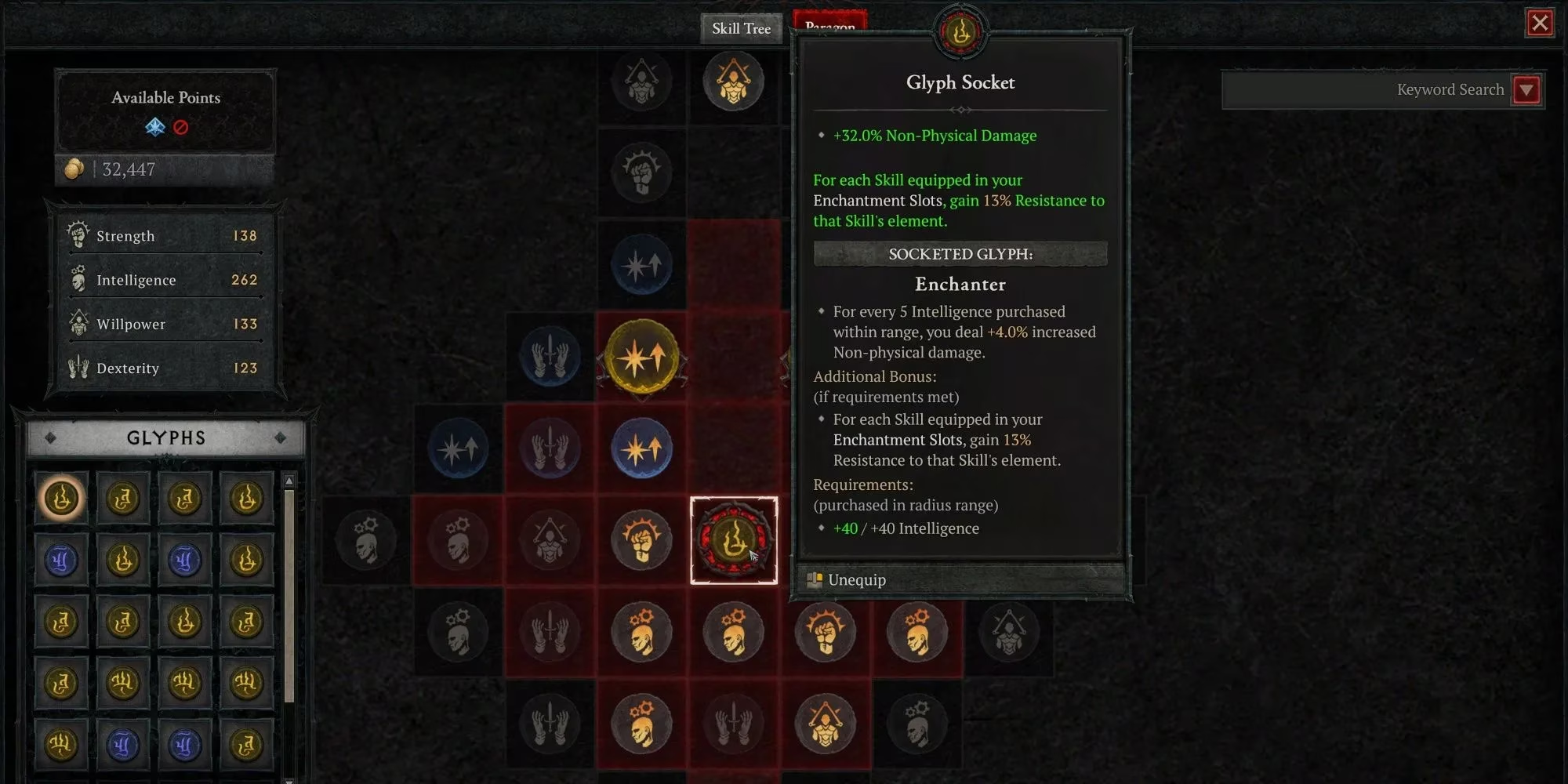
At the center of your first board sits an empty socket begging for a Glyph. These are not mere gems; they're living blueprints that reshape the board around them. Drop a Glyph in, and it projects an aura — initially three nodes in radius, growing to five when fully upgraded. Every stat node inside that aura gets a supplementary effect. For example, a Glyph boosting Intelligence might make nearby Intelligence nodes also grant bonus critical strike damage.
Glyphs split into three main families:
-
Attribute Glyphs: Amplify base attributes with secondary perks.
-
Rarity Glyphs: Supercharge Common, Magic, or Rare nodes within range.
-
Stat Magnitude Glyphs: Increase specific modifiers like cooldown reduction or damage over time.
Each Glyph hides secondary and—since Vessel of Hatred—tertiary powers. Secondary bonuses demand you meet an attribute threshold inside the radius (say, 40 Dexterity), unlocking potent boosts like damage multipliers. Tertiary stats, or Legendary bonuses, appear at Glyph level 46 and scale with the Glyph's rank. Hitting that x8% extra critical damage is a game-changer.
Farming and Upgrading Glyphs
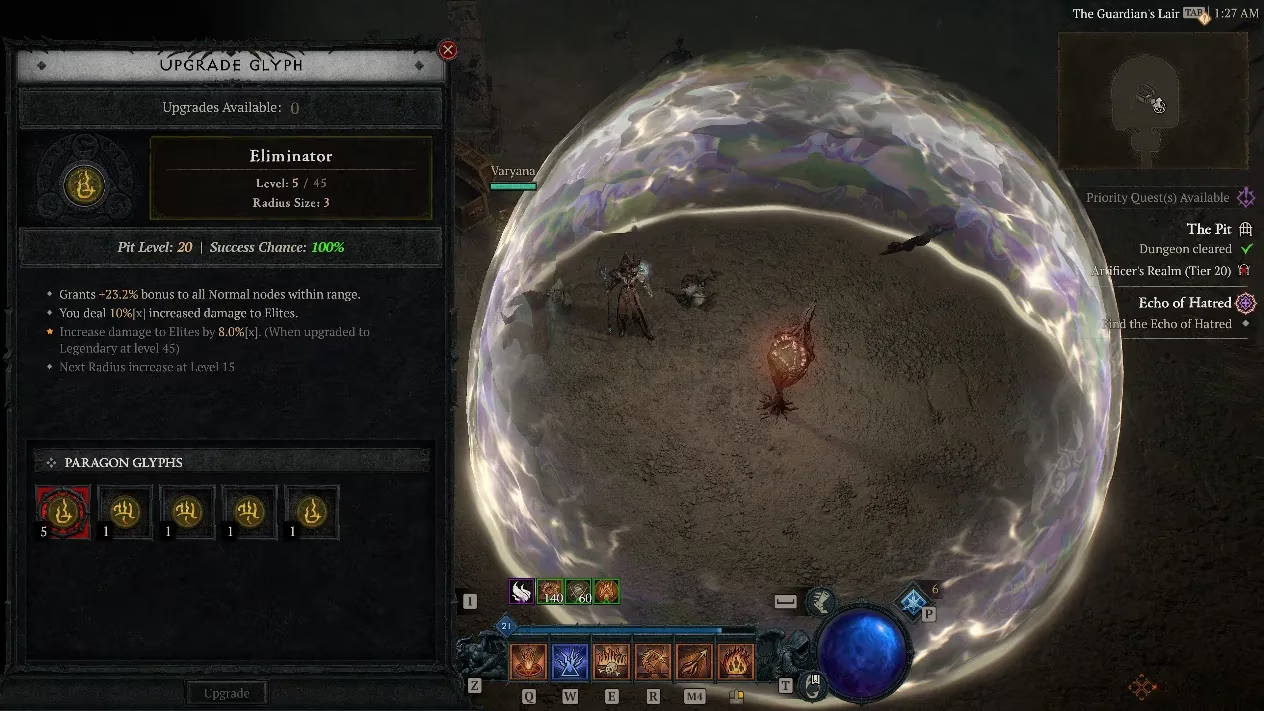
You won't have every Glyph from day one. Some drop from slain monsters — especially in high-density activities like Helltides or Nightmare Dungeons. But the real grinding ground is The Pit. Since 2024, Nightmare Dungeons no longer upgrade Glyphs; they've been replaced by the Pit's end-of-run altars. Finish a Pit tier, and you'll get three upgrade attempts (four if you complete the run without dying). Each bump increases the Glyph's magnitude and, crucially, its radius at ranks 15 and 45.
Rank 15 pushes the aura to four nodes, and rank 45 stretches it to five — and unlocks that Legendary tertiary bonus. The upgrade cost escalates fast, so I always advise players to invest only in Glyphs that directly empower their chosen build. A level 100 Glyph is a badge of honor, but a well-planned level 46 can carry entire builds.
Connecting Multiple Boards
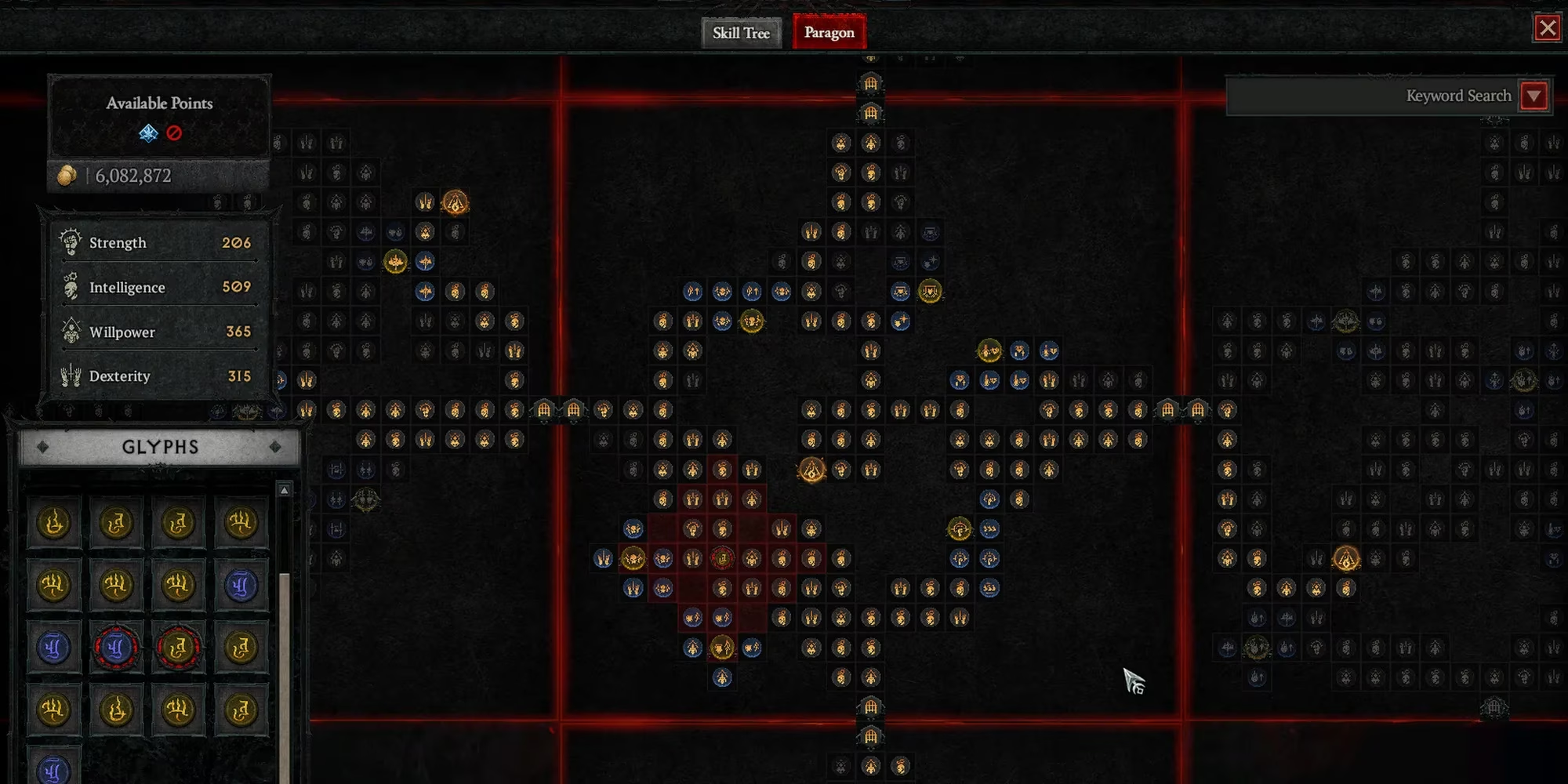
When you reach the end of a board, you'll find a Gate node. Allocating it lets you attach an entirely new board, each themed around different class fantasies. You can preview the board before committing — checking the node layout, the Legendary Node's effect, and the Glyph socket's placement. Every class has nine unique boards, and you can't equip the same one twice. This means your final tree is a hand-picked mosaic of up to five or six boards, looped together by Gates.
One trick I've learned: rotate the board. Some Legendary Nodes sit in awkward corners, but rotating the board can cut the pathing cost dramatically. It's a small detail that saves precious points.
Pro Tips from the Frontlines
After years of fine-tuning, here's what I hammer home to every new endgame player:
-
Focus on one attribute. Stacking Strength (or your class's primary) makes hitting Glyph secondary thresholds much easier, and many Legendary bonuses scale with that attribute.
-
Unlock renown early. Those 24 Paragon Points from max renown are essential. They front-load your power curve and open up Gate connections sooner.
-
Upgrade Glyphs to 45 ASAP. The radius expansion alone transforms your board, but the Legendary bonus at 46 is a massive power spike.
-
Don't be afraid to respec. Removing nodes costs gold, but if a board has no allocated nodes, you can detach it entirely and slot a new one. Experimentation is encouraged.
In 2026, the Paragon Board remains Diablo 4's beating heart. It's a system that rewards patience, planning, and the relentless pursuit of perfection. Whether you're chasing the last few ranks or min-maxing your Glyph auras, the board never stops giving. And with seasonal twists always on the horizon, there's never been a better time to dive in and forge your legend.