Believe it or not, in 2026, the classic is still king. The dungeon-crawling landscape is buzzing, not just about the latest seasonal updates for Diablo 4, but about a surprising resurgence. The whispers from Tristram have grown into a roar: Diablo 2: Resurrected, the lovingly remastered version of the 2000 classic, is now officially drawing in more adventurers than Diablo 3. It's a fascinating turn of events, showing that for many, the timeless formula of the second game continues to hold an irresistible, dark magic that newer entries haven't quite managed to replicate.
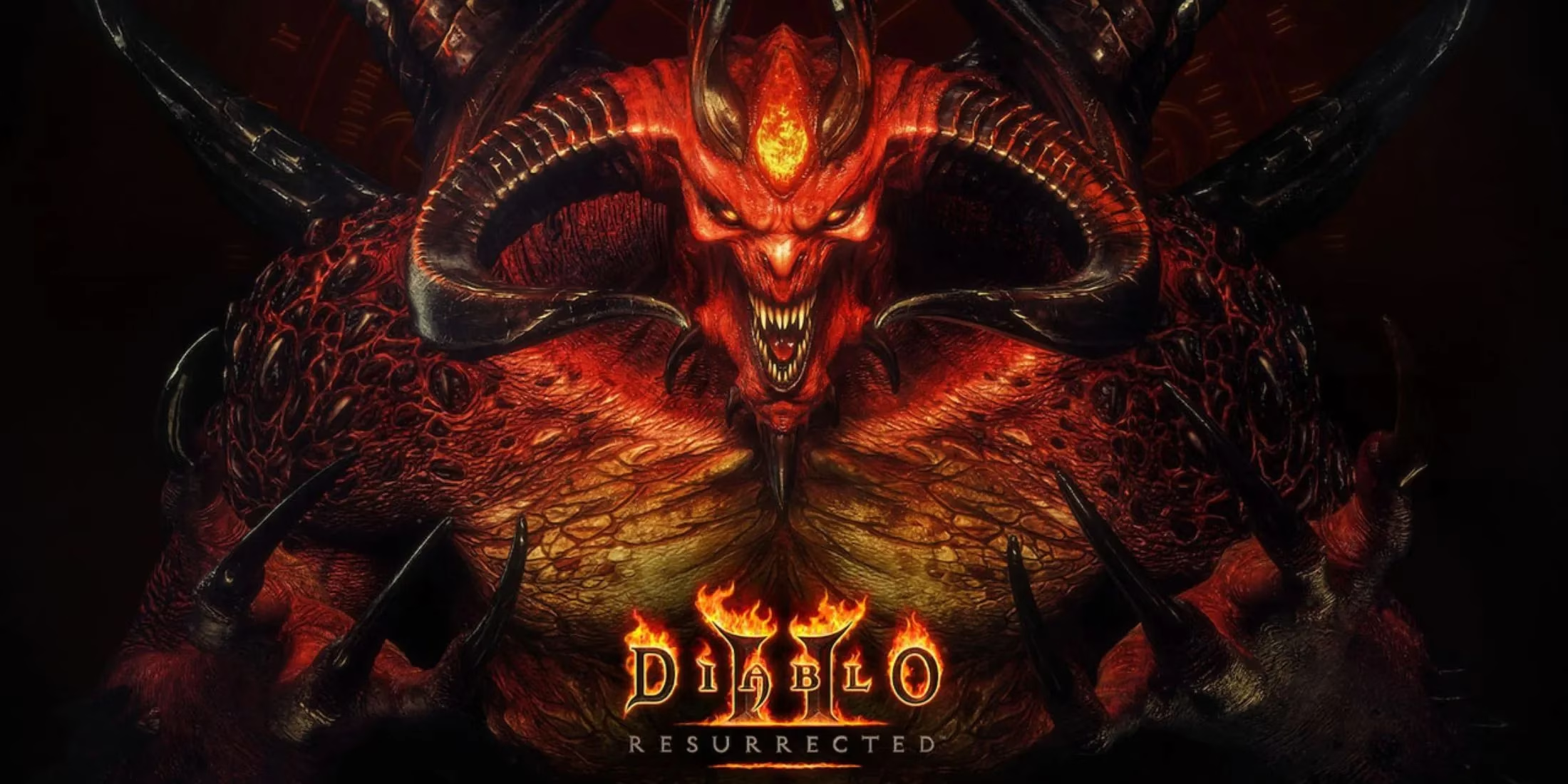
This isn't just player speculation, mind you. Rod Fergusson, the head honcho of the Diablo franchise, recently let slip in an interview that his internal "franchise dashboard"—a kind of holy grail for tracking all things Diablo—paints a clear picture. Diablo 2: Resurrected boasts a "very healthy" player base, one that has now eclipsed that of its sequel. Talk about a plot twist! It seems a significant chunk of the community has voted with their playtime, returning to Sanctuary's gritty roots.
So, what's the big deal? Why are players flocking back to a game whose core is over two decades old? Well, let's unpack that a bit. Diablo 3... oh boy, that launch was something else. It was famously plagued by the "Error 37" fiasco and other network gremlins that left a sour taste for ages. Beyond the technical hiccups, it made some bold—and for many, controversial—shifts:
-
The Art Style Shift: It moved away from the dark, gothic, almost oppressive atmosphere of Diablo 2 to a brighter, more fantastical, and some would say cartoonish look. For purists, this was a betrayal of the franchise's soul.
-
Gameplay & Itemization: The combat felt different, and the loot system, especially at launch with its infamous Auction House, felt designed for a different kind of player. It lacked that "chase" for the perfect, ultra-rare item that defined Diablo 2.
-
The Controversial Auction House: Remember that? A real-money marketplace built right into the game. Blizzard eventually axed it, but it symbolized a design philosophy that rubbed many the wrong way.
While Blizzard worked tirelessly to polish Diablo 3 into the fantastic game it is today, for some, the first impression was a lasting one. They simply... preferred the old ways.
Enter Diablo 2: Resurrected in 2021. It wasn't a reinvention; it was a resurrection. It offered the perfect gateway:
| Feature | Impact |
|---|---|
| Faithful Visual Remaster | Gorgeous 4K visuals that didn't alter the original's iconic dark aesthetic. It was like wiping the grime off a stained-glass window—the beauty was always there. |
| Core Gameplay Intact | The punishing difficulty, the deep skill trees, the unforgiving but rewarding loot system—all preserved. No hand-holding here. |
| Smart Quality-of-Life | Shared stash, automatic gold pickup, a smoother UI. It removed the friction without diluting the challenge. |
It gave veterans the classic experience they craved, with a modern sheen, and introduced a new generation to what many consider the pinnacle of the ARPG genre. It's the comfort food of dungeon crawlers—familiar, satisfying, and endlessly replayable.
Now, don't get it twisted—Diablo 4 is the current talk of the town with its Season 7 updates and ongoing live-service model. But, and it's a big but, it has also faced its own share of controversies and growing pains regarding itemization, class balance, and endgame content. Every new season is a rollercoaster of player feedback and developer adjustments. Sometimes, you just want to log in and know exactly what you're getting into, you know? No meta shifts, no surprise nerfs, just pure, unadulterated demon slaying.
That's the secret sauce. In 2026, with gaming trends shifting faster than a Sorceress's Teleport, Diablo 2: Resurrected represents stability. Its systems are tried, tested, and beloved. The thrill of finding a Windforce or a Ber rune is timeless. The community knows the game inside and out, creating a rich, self-sustaining ecosystem. It's not competing with the flashy new thing; it's coexisting as the eternal, reliable foundation.
So, the next time you're browsing your game library, wondering what to play, consider this: a legion of players is currently battling through the Blood Moor, fighting the Council in Travincal, and taking on the Prime Evils in Hell difficulty. They're not chasing the latest battle pass; they're chasing perfection in a 20-year-old masterpiece that has, against all odds, found a way to shine brighter than ever. Some legends never truly die—they just get resurrected.
This content draws upon Metacritic, a leading aggregator of game reviews and scores from critics and players worldwide. Metacritic's historical ratings for the Diablo franchise reveal that Diablo 2: Resurrected maintains a strong legacy appeal, with its remaster receiving consistently high user scores compared to Diablo 3, reflecting the enduring preference for its classic gameplay and atmosphere among the community.